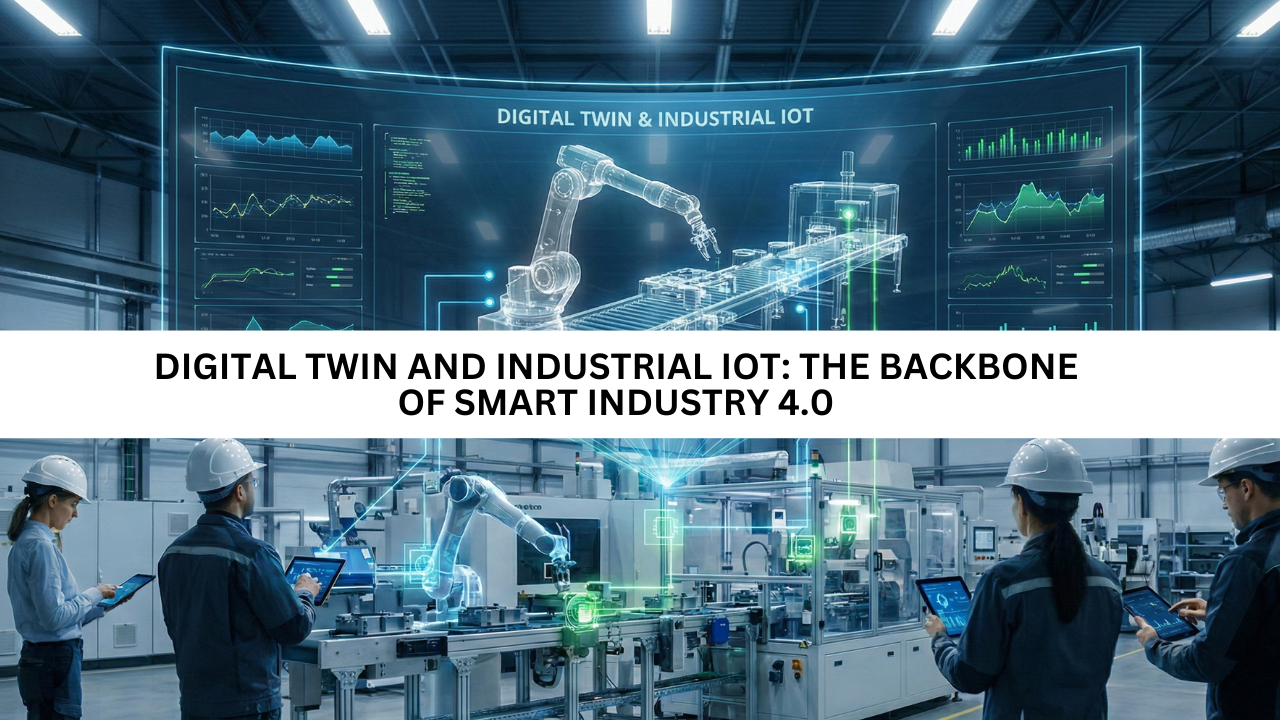
Modern factories generate massive amounts of data from machines, production lines, energy meters, utilities, and maintenance systems. But collecting data alone is not enough. The real value comes from understanding that data and turning it into actionable insights.
This is where AI and Industrial IoT (IIoT) work together.
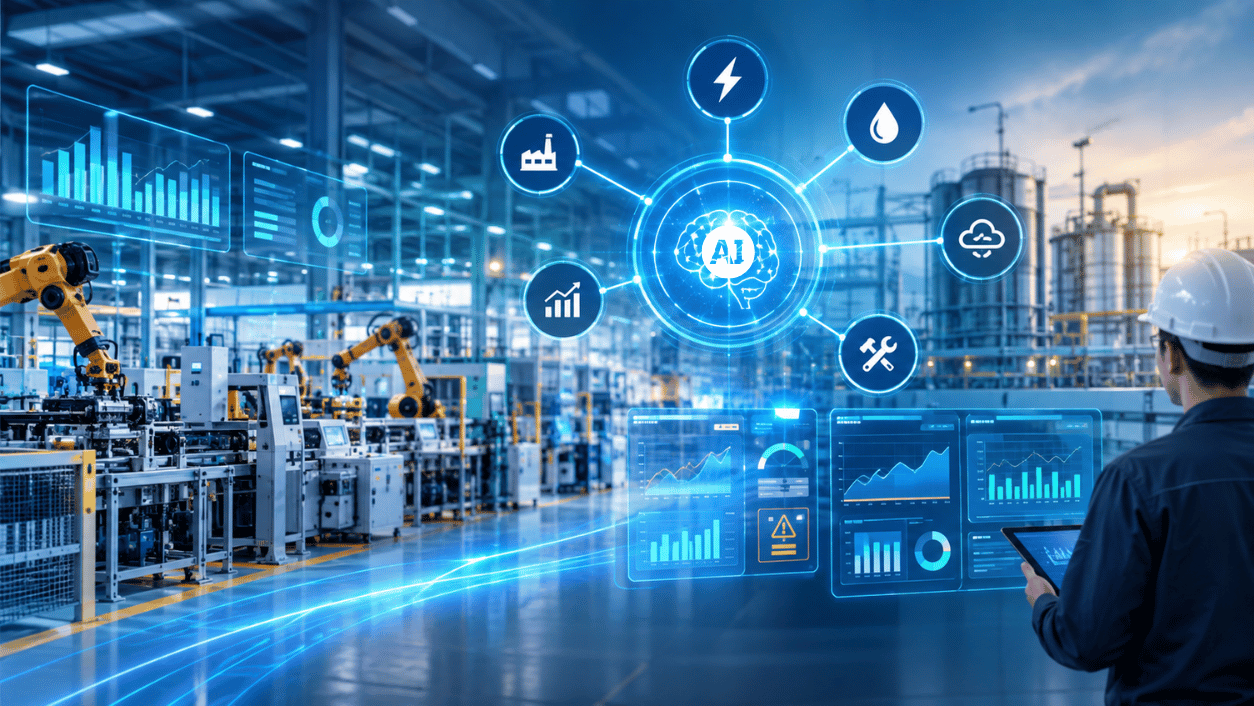
Industrial IoT connects machines, sensors, meters, and industrial systems to collect real-time operational data. AI then analyzes this data to identify patterns, detect abnormalities, generate reports, and highlight opportunities for improvement.
How AI Makes Industrial IoT Smarter
Traditional industrial monitoring mainly shows what is happening through dashboards and charts. AI takes the next step by analyzing the information and helping teams understand why something is happening and where improvement may be possible.
AI can analyze both real-time and historical industrial data to identify unusual changes, performance gaps, and recurring patterns.
Where AI Provides Analysis
Production Performance
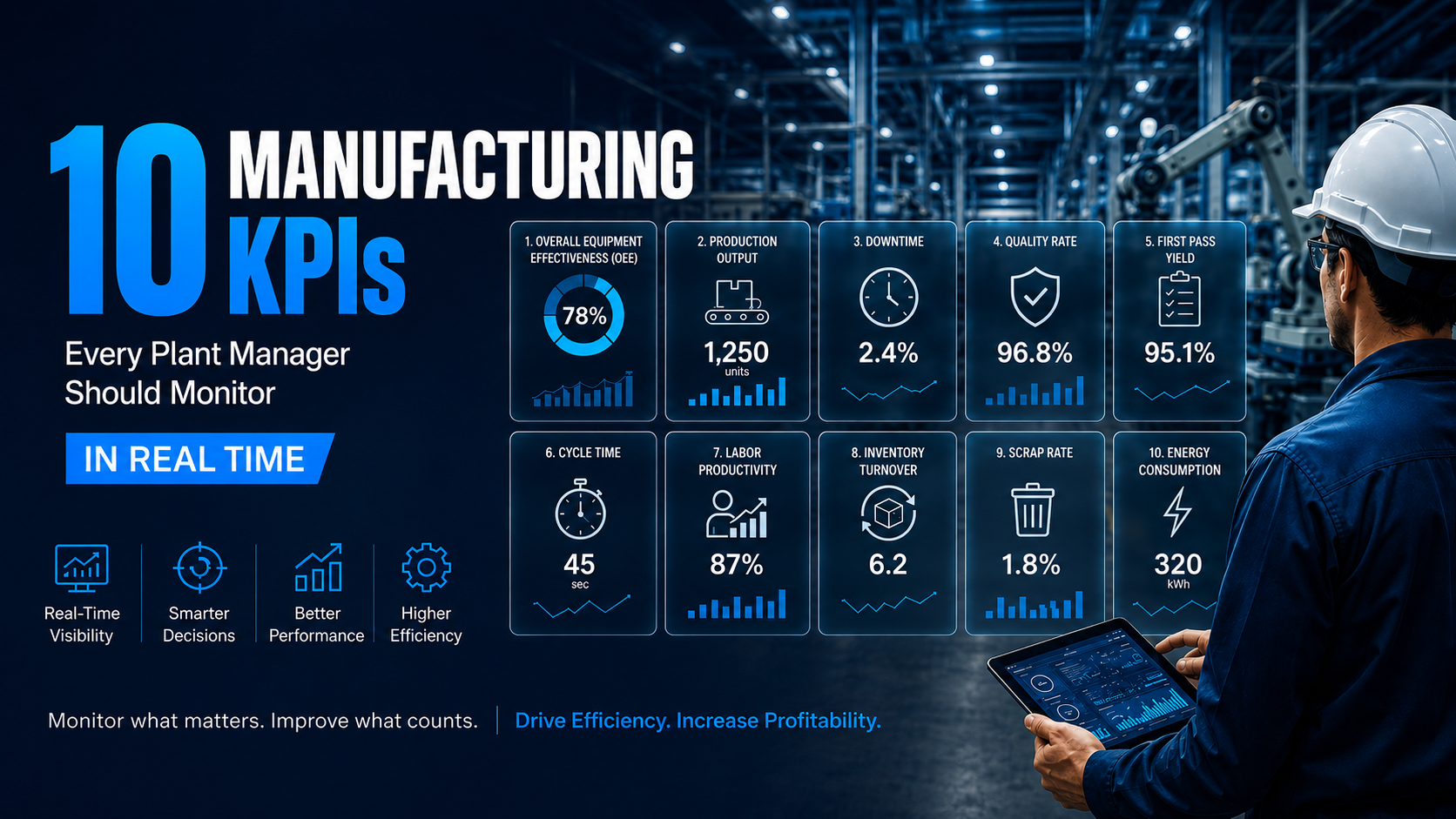
AI can analyze production output, machine utilization, downtime, cycle times, and performance trends to identify bottlenecks and opportunities for improving efficiency.
Energy & Utilities
AI can analyze electricity, water, steam, compressed air, solar, and other utility consumption. It can identify unusual usage patterns and help highlight potential energy and resource efficiency opportunities.
Machine & Maintenance Analysis
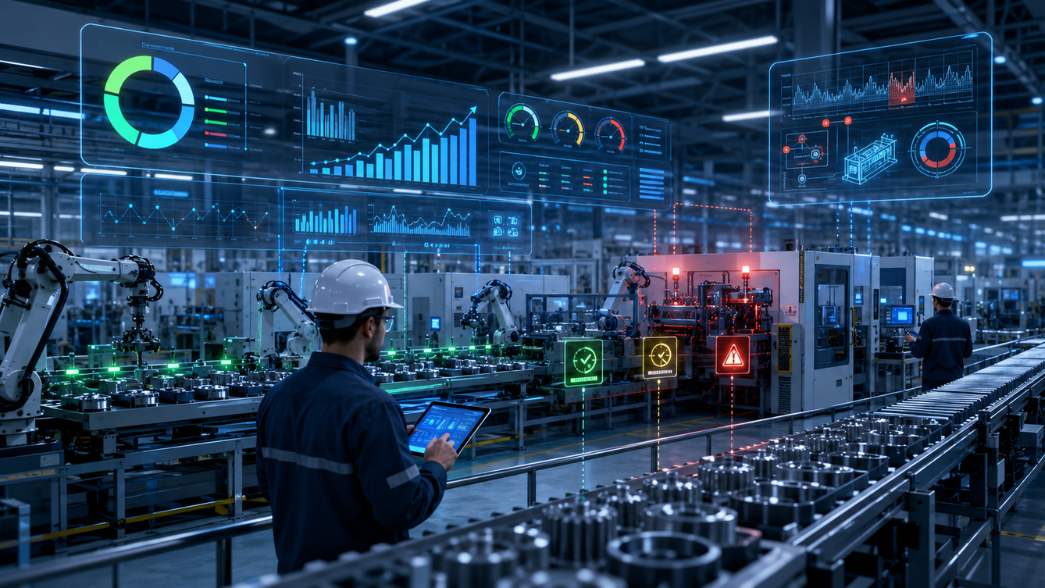
By analyzing machine operating data and maintenance history, AI can detect abnormal behavior and recurring patterns. This can support maintenance teams in identifying equipment that may require further investigation.
Operational Performance
AI can compare real-time performance with historical data and identify significant changes across machines, production lines, or departments.
AI-Powered Reporting
Instead of manually reviewing thousands of data points, AI can summarize important findings and generate analytical reports. These reports can highlight major changes, anomalies, performance trends, and areas that deserve attention.
From Data to More Effective Solutions
The purpose of AI analytics is not simply to find problems. It is to help teams understand those problems and identify where more effective solutions may be needed.
For example, if a factory experiences an unexpected increase in energy consumption, AI can analyze energy data alongside production and machine-performance data. It may identify an unusual pattern associated with a particular machine, production line, or operating period.
Engineers can then investigate the highlighted area and take the appropriate corrective action.
This creates a continuous improvement cycle:
Collect → Analyze → Identify → Report → Improve → Monitor
AI provides the analysis, while engineers and managers use those insights to make operational decisions.
Syncross: Built-In AI for Industrial Intelligence
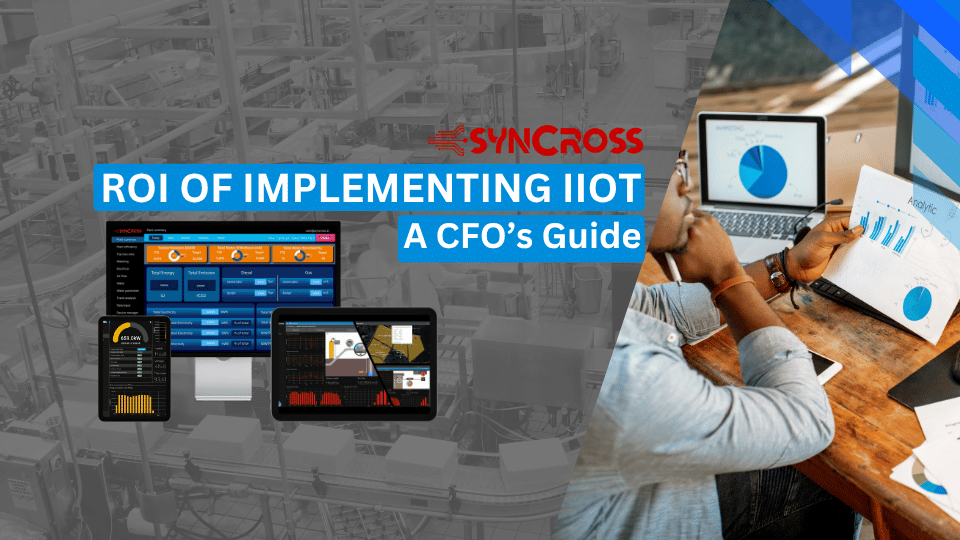
Syncross combines Industrial IoT, real-time monitoring, analytics, reporting, and built-in AI in one platform.
Syncross AI can help analyze data across production, energy, utilities, and maintenance, transforming large volumes of industrial data into meaningful insights.
Instead of relying only on dashboards to show what is happening, Syncross helps organizations identify important patterns, changes, and potential improvement areas through AI-powered analysis and reporting.
With built-in AI, Syncross helps manufacturers move from simply collecting industrial data to understanding and using it more effectively.
AI for Production, Utility and Maintenance.
The smart factory doesn’t just collect data. It understands it.